What are the differences between Incoterms® 2010 and Incoterms® 2020?

Incoterms Rules for Sea and Inland Waterway Transport
November 5, 2023
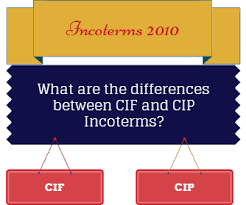
Different level of insurance cover between CIF and CIP
November 5, 2023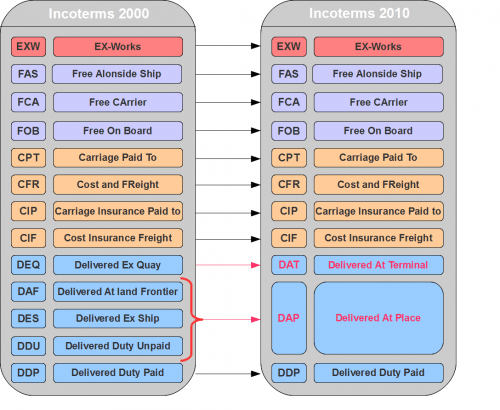
The main explanations of Incoterms® 2020 have remained the same, with a few key updates and changes. The main change includes a new DPU term replacing DAT, along with other changes to Incoterms® as below. It’s imperative that all parties involved in global trade understand these updates and how they may affect your supply chain.
New Incoterm® DPU Replaces DAT
The previous Incoterm® DAT (Delivered at Terminal) is now called DPU (Delivered at Place Unloaded. It was decided to change the term to DPU to remove confusion that arose in the past. In the past, DAT required ‘Delivery at Terminal (unloaded)’, however the word “terminal” caused confusion. The new term DPU (Delivery at Place Unloaded) covers ‘any place, whether covered or not’.
Different level of insurance cover between CIF and CIP
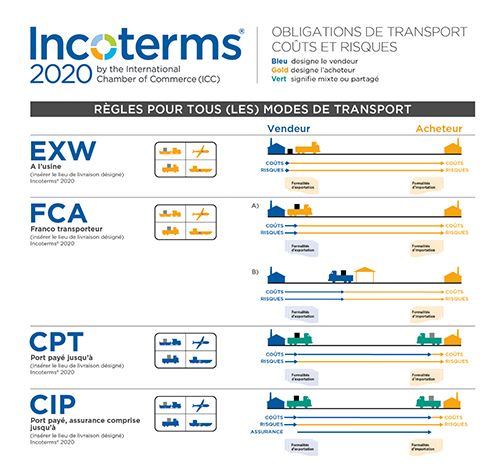
CIF and CIP are the only two Incoterms® that require the seller to purchase insurance in the buyer’s name. Under Incoterms® 2010 the insurance cover for both CIF and CIP was required under Institute Cargo Clause C. Under the new Incoterms® 2020, CIP requires insurance cover complying with Institute Cargo Clause A. Clause A covers a more comprehensive level of insurance which is usually suitable for manufactured goods, where Clause C would likely apply to commodities.
In summary:
- CIF remains the same, it requires ‘Institute Cargo Clause C’ insurance cover – Number of listed risks, subject to itemized exclusions.
- CIP now requires an upgraded ‘Institute Cargo Clause A’ insurance cover – All risk, subject to itemized exclusions.
Updated Costs and Listings
Costs became quite a problem with Incoterms® 2010 with some parties. In some cases carriers were changing their pricing so sellers were often faced with new back charged terminal handling charges. Incoterms® 2020 now provides much more detail around costs and now appear under the A9/B9 sections of the rule. This clearly states which costs are allocated to each party.
Increased Security Requirements, Allocations and Costs
In a world with increasing security requirements, the Incoterms® 2020 rules now provide more detail around security allocations and necessary costs. For each Incoterm® rule, the security allocations have been added to A4/A7 and the associated costs have been added to A9/B9.
Buyer’s and Seller’s Own Transport
Under Incoterms® 2010 it was assumed that all transport would be undertaken by a third party transport provider. Updates to Incoterms® 2020 allows for the provision for the buyer or seller’s own means of transport. This recognizes that some buyers and sellers are using their own methods of transport, including trucks or planes to get goods delivered.
- This allows for the buyer’s own means of transport under the FCA rule
- This allows for the seller’s own means of transport under DAP, DPU and DDP.
FCA, FOB and the Bill of Lading Process
Updates were made to the previous Incoterms® 2010 to encourage exporters of containerized goods to use the FCA Incoterm®. In reality most parties were still using FOB when they should have been using FCA. This is because even experienced sellers still wanted to use FOB because they wanted the contract to be under a Letter of Credit.
Therefore provisions have been made to the Incoterms® 2020 to state that the buyer must instruct the carrier to issue a transport document stating that the goods have been loaded – i.e a Bill of Lading with an ‘on board’ notation. In the past carriers have frequently refused to issue a Bill of Lading with a notation to the seller if they have received the goods from an intermediary transport (such as a truck), instead of directly from the seller.
How to put Incoterms® 2020 into Practice on Sales Contracts
The new Incoterms® 2020 have come into effect on the ‘effective’ date of the 1st January 2020. What does that actually mean for your business? Trading partners can still carry on using Incoterms® 2010 if they prefer to, which may occur when it is being used to confirm complex commercial agreements.
All parties must make it clear in contracts which Incoterms® version is being referred to in order to avoid any misunderstanding. Different trading partners will incorporate Incoterms® into contracts at different times.
It is imperative that you check existing contracts to ensure that the Incoterms® edition year is included. If there is no year stated then the following will apply:
- Up to 31st December 2019 – Incoterms® 2010
- From 1st January 2020 – Incoterms® 2020
- If a different year is stated, for example Incoterms® 1990, then the respective terms will apply
The below is the structure that should be used on Sales Contracts:
[Incoterm® rule] [Named port/place/point] Incoterms® 2020
Examples:
CIF Longbeach Incoterms® 2020
DPU 4300 Longbeach Blvd, Longbeach, United States Incoterms® 2020
How to Prepare your Business for Incoterms® 2020
As Incoterms® are updated you should always take the time to assess how any changes may impact your business. It’s much better to be proactive rather than reactive should some big issues arise with any of your orders or shipments. Always refer to professional legal advice before making any changes to your business. To prepare for the changes, here are a few things that you may consider:
- Identify the Incoterms® that your business typically uses
- Audit any contracts that are extended into 2020 or that renew in 2020
- If you are buying or selling under a Letter of Credit, you may consider the option to use FCA instead of FOB (refer notes above). This will involve instructing carriers to issue Bills of Lading. Always refer to professional legal advice before making any change.
- Ensure that you make changes to any contracts and documents as necessary
- Ensure that you are stating the Incoterms® edition year that both parties are referring to in sales contracts
- Look further into the updated costs and listings to see if it has any impact on your landed cost calculations
- Increase the level of insurance cover to satisfy the new CIP requirements
- Structure tighter security for imports and exports
- Understand who has the responsibility for loading and unloading charges
- Know where the risk of loss is transferred
- Contract professional legal advice from experienced supply chain and legal analysts to audit current procedures
- Buy a copy of the official Incoterms® 2020 book from the ICC here
Can Incoterms® be used in the United Kingdom?
Because the United Kingdom’s position, trade is regulated by the ‘Uniform Laws of the Sale of Goods Act 1979’ and case laws. However, the terms of trade can be agreed by both parties before the trade is to take place. Throughout sales contracts the buyer and seller can follow either the ICC guidelines of the Sales of Goods Act 1979’s enactments.
Get a copy of the official ICC Incoterms® 2020 book
You can purchase the official Incoterms® 2020 book from the International Chamber of Commerce here.
Read also our Incoterms 2023 guide.